
How Physiotherapy Speeds Up Natural Healing?
The human body comes with its own natural healing process, which helps deal with injuries, pain, and restricted body movements. Muscles repair damaged fibers, tissues regenerate, and inflammation works to protect the affected area. But saying that natural healing will offer complete recovery will be wrong. One must understand that complete healing requires proper guidance and that is when physiotherapy comes into the picture.
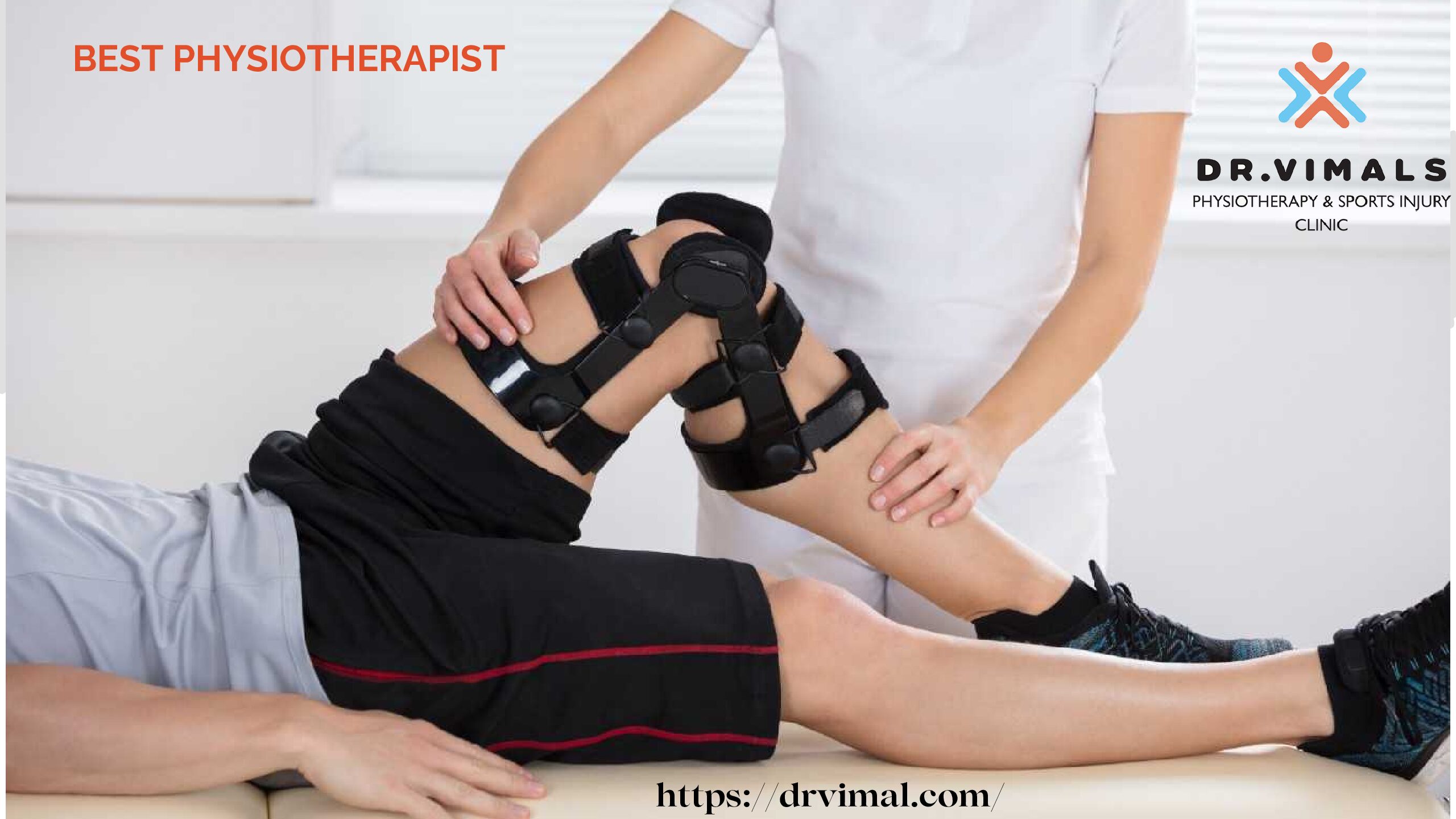
Without the right guidance, injuries may take longer to heal, stiffness can develop, and the risk of re-injury often increases. But with the guidance of the best physiotherapists, you need not worry about any of these. At Dr. Vimal’s Physiotherapy and Sports Injury Clinic, we work on physiotherapy practices that support the body’s natural healing mechanisms. They help patients recover safely and effectively, whether one is dealing with a sports injury, joint pain, a muscle strain, or post-surgical recovery. By following the right physiotherapy treatment, the natural healing process can be easily improved.
What is Natural Healing?
Natural healing is the body’s ability to repair itself after injury or illness. When tissues are damaged, the body goes through different stages of healing. These include inflammation, tissue repair, and remodelling. While these stages occur automatically, several factors can slow the process, including poor movement patterns, muscle weakness, lack of circulation, and prolonged inactivity. Physiotherapy helps create the ideal conditions for healing by improving movement, reducing pain, and restoring strength.
How Does Physiotherapy Fasten the Overall Recovery?
Physiotherapists use different techniques and exercises to deal with different types of health issues. When choosing the best physiotherapist in Delhi NCR, you need not worry about the overall recovery. Here, we are sharing some of the ways physiotherapy helps boost the natural healing process for different physical ailments.
Reduces Pain without Dependence on Medication
Pain is one of the most common problems faced after injuries and restricted movements, which often slows down recovery. But with the help of physiotherapy, it becomes easier to address the source of pain. It includes targeted exercises, stretching techniques, and the right treatment that reduces discomfort naturally. This allows patients to stay active during recovery and also improves their joint mobility and muscle strength.
Improves Blood Circulation
Healthy blood flow is essential for healing as it carries oxygen and nutrients to injured tissues and helps remove waste products from the affected area. Physiotherapy techniques such as therapeutic exercises, manual therapy, and mobility training improve circulation. Better circulation reduces swelling and promotes faster tissue repair, which is helpful in overall healing.
Restores Normal Movement
Injuries often cause problems in movement as they cause pain. Due to this, people often tend to change the way they move, which puts stress on other body parts and delays healing. With the help of physiotherapy, it becomes easier to restore proper movement patterns. It improves flexibility, joint mobility, and muscle function. This helps patients regain confidence in their movements while reducing unnecessary strain on healing tissues.
Strengthens Supporting Muscles
Weak muscles can place additional pressure on injured joints and tissues. Physiotherapy includes personalized strengthening programs that are designed to support recovery and improve stability. At Dr. Vimal’s Physiotherapy and Sports Injury Clinic, we analyze the overall muscle condition. It helps us focus on injured areas by helping strong muscles provide better protection to them. This helps patients heal without repeated stress or irritation.
Physiotherapy for Sports Injuries
Athletes and active individuals frequently experience injuries such as ligament sprains, muscle strains, tendon injuries, and overuse conditions. While rest is important, complete inactivity may sometimes slow recovery. With the help of physiotherapy, injured athletes can easily return to their sport safely by combining pain management, strength training, balance exercises, and sport-specific rehabilitation. Using the right physiotherapy not only helps heal the injury but also improves overall performance and reduces the risk of future injuries.
Conclusion
The human body has an incredible ability to heal itself, but with the right support, the healing can be quick and effective. Physiotherapy offers that support and helps enhance natural healing by reducing pain, improving movement, strengthening muscles, and promoting healthy tissue repair. If you are recovering from an injury, a chronic pain condition, or restricted movement, seeking professional physiotherapy can help you return to your daily activities in a better way.
We at Dr. Vimal’s Physiotherapy and Sports Injury Clinic offer a well-designed treatment plan after considering the patient’s overall condition to support their body’s healing journey and help them achieve long-term recovery and better physical health with ease.